For decades, organizational learning followed a familiar pattern. Employees attended workshops, completed certification programmes, participated in offsite training sessions, and returned to work inspired to apply what they had learned. Yet within a few weeks, most of that enthusiasm had quietly faded. Operational pressures returned, priorities shifted, and the knowledge that seemed valuable inside the training room struggled to survive the realities of everyday work.
The problem has never been the quality of training. It has truly been the design of learning. Modern organizations operate in environments where change happens continuously. New technologies emerge almost monthly. Customer expectations evolve rapidly. Artificial intelligence is reshaping roles faster than traditional learning programmes can be updated. Waiting for quarterly workshops or annual development programmes is no longer sufficient.
The organizations building the strongest capabilities today have recognised a simple truth. Learning is most effective when it becomes part of work rather than something that interrupts work.
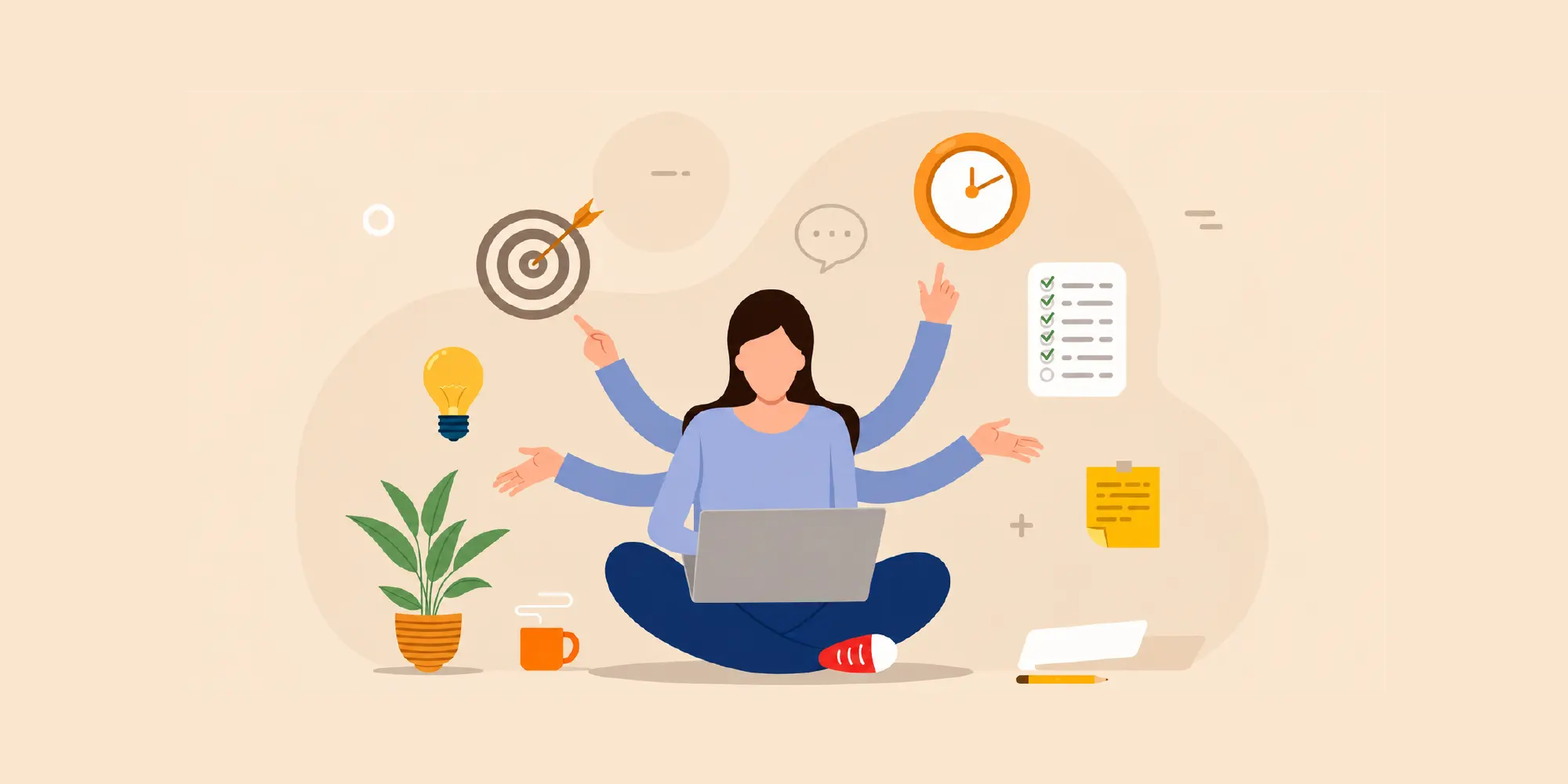
This is why micro-upskilling is gaining momentum. Instead of treating learning as an event, organizations are embedding it into daily routines through small, consistent moments of development that compound over time. The objective is no longer to overwhelm people with information. It is to help them improve continuously while they perform their everyday responsibilities.
In this article, you will read about,
Why Traditional Training No Longer Matches the Pace of Business
Conventional learning programmes were designed for a business environment where skills remained relevant for years. Employees could attend a programme, master a process, and rely on that knowledge for a significant period. Today’s workplace is fundamentally different.
New software appears before existing tools have been fully adopted. Market conditions shift unexpectedly. Customer behaviour changes rapidly. AI introduces new ways of working almost every quarter. Under these conditions, organizations cannot rely solely on occasional learning interventions.
Knowledge has a much shorter shelf life. Learning therefore needs to become continuous rather than periodic. This does not mean abandoning structured development programmes. It means recognising that capability is built through regular reinforcement, practical application, and continuous reflection rather than isolated learning experiences.
Why Small Learning Moments Create Bigger Results
One of the most important discoveries in learning science is that people retain information far more effectively when it is reinforced consistently over time. This is precisely where micro-upskilling creates value.
Instead of expecting employees to absorb an entire framework in one sitting, organizations introduce focused learning moments that address one concept, one behaviour, or one skill at a time. These moments are immediately applied within real work rather than remaining theoretical until the next training programme.
The cumulative effect is significant. Employees experience less cognitive overload and managers spend less time retraining forgotten concepts. New behaviours become habits because they are practised repeatedly instead of remembered occasionally. This shows us that capability develops gradually but far more sustainably.
What Should Teams Learn Every Week?
One of the biggest mistakes organizations make is assuming that every learning initiative must introduce entirely new knowledge. Continuous capability often grows faster through refinement than through constant novelty. Weekly learning should focus on improving decisions people already make every day. Sales teams might analyse one customer objection and discuss alternative responses.
Project managers could explore one communication technique that improves stakeholder alignment. Customer Success teams might examine one retention conversation and identify opportunities to strengthen customer outcomes. Leadership teams may reflect on one difficult decision and explore how different assumptions influenced the outcome.
The objective is not covering more topics. It is improving one meaningful behaviour at a time. Over the course of a year, those incremental improvements transform organizational capability far more effectively than isolated intensive programmes.
How Do Leaders Create Learning Habits?
Learning cultures are rarely created through learning platforms alone. They are created through leadership behaviour. Employees pay close attention to what leaders consistently discuss, celebrate, and prioritise. When managers regularly ask, “What did we learn from this customer conversation?” or “What would we approach differently next time?” learning becomes part of everyday dialogue rather than an annual event.
- Short reflection sessions after major projects.
- Five-minute coaching conversations following customer meetings.
- Weekly discussions around one practical insight.
- Sharing lessons learned across teams.
These seemingly small habits gradually reshape organizational behaviour. The small things end up becoming the big things for teams. People stop viewing learning as something separate from performance. They begin recognising that learning is how performance improves.
Why Learning Must Be Embedded Into Workflows
One reason many corporate learning initiatives struggle is because they compete with work instead of supporting it. Employees often perceive training as another task added to an already demanding schedule. Micro-upskilling avoids this conflict by integrating learning directly into existing workflows.
Sales reviews become coaching opportunities and project retrospectives become learning sessions. Customer feedback becomes teaching material and AI tools provide contextual guidance while work is taking place. In this way, managers use real business challenges as development opportunities instead of hypothetical case studies. Learning becomes practical because it happens precisely where capability is required. The distance between knowing and doing becomes significantly shorter.
Also Read: How Is Leadership Shifting for Learning Leaders and How Can They Chart Their Growth Path?
What Knowledge Actually Sticks?
Organizations often measure learning by course completion. The more meaningful question is whether behaviour changes afterwards. Knowledge becomes lasting capability when three conditions exist. First, teams should understand why learning matters. Second, they apply it immediately in real situations.
Third, someone reinforces and coaches the new behaviour over time. Without application, knowledge fades quickly. Without reinforcement, old habits return. Without coaching, learning remains theoretical. This explains why organizations investing heavily in training sometimes experience surprisingly little behavioural change. Information alone rarely changes performance as practice does.
Why Managers Are Becoming the Most Important Learning Leaders
Historically, learning belonged primarily to the L&D function. Today, managers have become equally important. Employees spend significantly more time with their managers than they do in formal training programmes. Everyday conversations therefore shape capability more than occasional workshops.
Managers who ask powerful questions, encourage team experimentation, provide regular feedback, and create opportunities for reflection become powerful learning multipliers. They transform routine operational discussions into development opportunities. This changes the manager’s role fundamentally. Leadership is no longer limited to delivering results. It includes creating the conditions in which people continually improve. That responsibility cannot be outsourced.
Also Read: Relearning How to Lead with Energy, Not Exhaustion in the Renewal Season
The Coaching Shift: Leadership as Learning Architecture
Leadership coaching is increasingly helping executives think differently about development. Rather than asking how to deliver more training, coaching encourages leaders to ask how learning can become part of the organization’s operating rhythm.
- Where are natural opportunities for reflection already occurring?
- Which meetings could become learning conversations instead of status updates?
- How can feedback become more immediate?
- What behaviours deserve consistent reinforcement?
- How can managers coach in small moments instead of waiting for formal performance reviews?
These questions shift attention from training programmes to learning systems. The distinction is important. Training delivers information but learning architecture creates capability. The organizations that understand this difference develop people continuously rather than periodically.
Also Read: How Is Leadership Shifting for Learning Leaders and How Can They Chart Their Growth Path?
The Future Belongs to Organizations That Learn Faster Than They Change
Technology will continue evolving and markets will continue shifting. This means that modern customer expectations will continue rising. The organizations most likely to succeed will not necessarily be those with the largest learning budgets or the longest training calendars.
They will be the ones that make learning inseparable from work itself. They will understand that capability is built one conversation, one reflection, one coaching moment, and one practical improvement at a time. Because in the future of work, competitive advantage will not belong to the organizations that know the most. It will belong to the organizations that learn the fastest—and never stop learning while they work.